
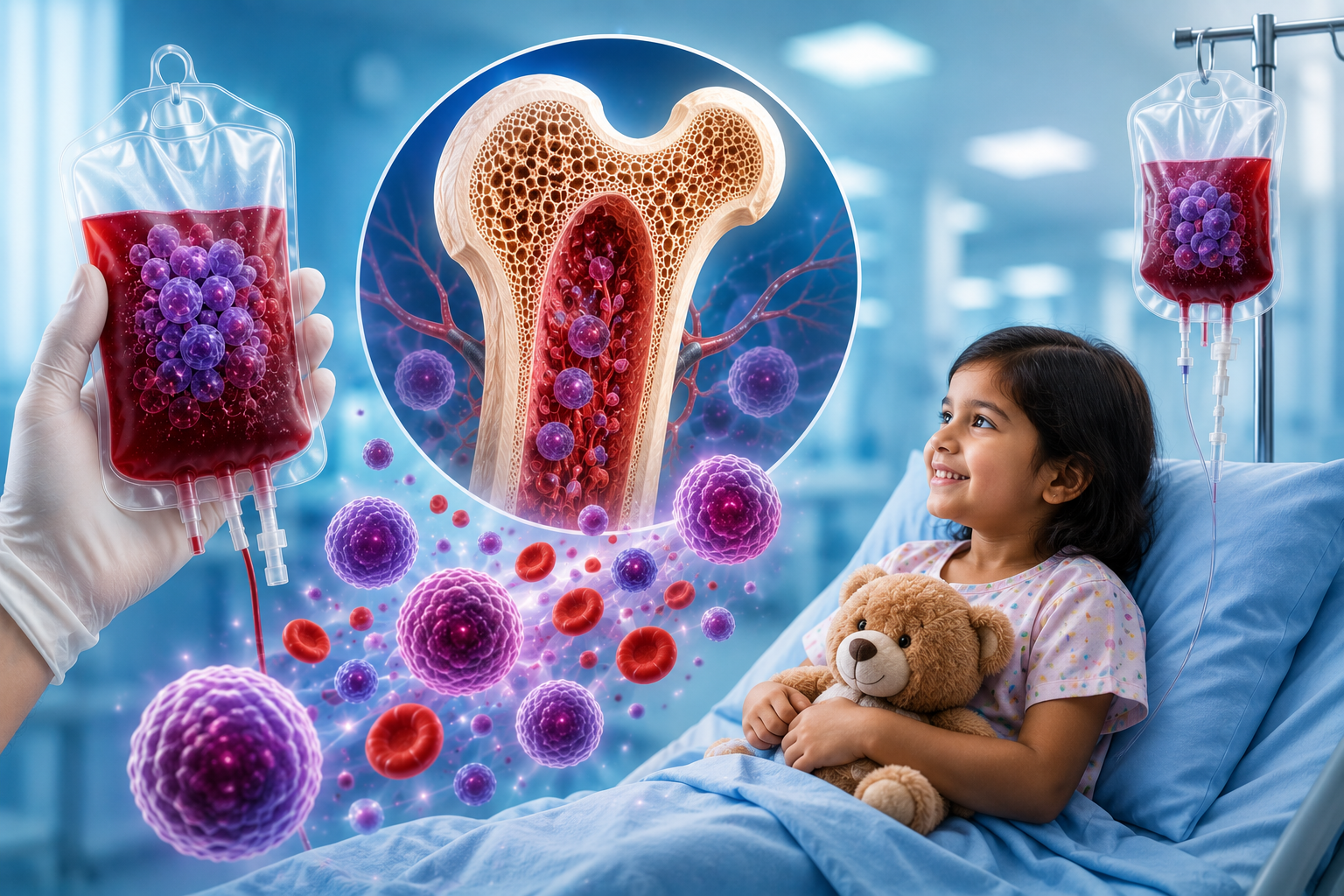
A Bone Marrow Transplant (BMT), also known as a Stem Cell Transplant, has transformed the treatment of many life-threatening blood cancers, blood disorders, and immune deficiencies. For patients diagnosed with leukemia, lymphoma, aplastic anemia, thalassemia, sickle cell disease, and other serious conditions, a Bone Marrow Transplant may offer the possibility of long-term remission or even a cure. One of the most common questions patients and families ask is: “What is the success rate of Bone Marrow Transplant in India?”
The answer depends on several factors, including the patient’s diagnosis, age, disease stage, donor match quality, overall health, and the expertise of the transplant team. India has become a leading destination for Bone Marrow Transplant treatment due to experienced specialists, advanced transplant centers, and internationally accepted treatment protocols.
In this guide, we explain the factors that influence Bone Marrow Transplant success rates and why choosing an experienced specialist such as Dr. Vikas Dua can make a significant difference in treatment outcomes.
Understanding Bone Marrow Transplant
Bone marrow is the soft tissue inside bones responsible for producing blood-forming stem cells.
These stem cells develop into:
- Red blood cells
- White blood cells
- Platelets
When bone marrow becomes damaged by disease or treatment, healthy stem cells may be transplanted to restore normal blood cell production and immune function.
Bone Marrow Transplants are commonly performed for:
- Leukemia
- Lymphoma
- Multiple Myeloma
- Aplastic Anemia
- Thalassemia Major
- Sickle Cell Disease
- Myelodysplastic Syndromes
- Inherited Immune Disorders
What Does “Success Rate” Mean in Bone Marrow Transplant?
Success in Bone Marrow Transplant does not always mean the same thing for every patient.
Doctors typically evaluate success based on:
- Successful engraftment of donor stem cells
- Disease remission
- Long-term survival
- Absence of severe complications
- Improved quality of life
- Restoration of healthy blood production
Each patient’s outcome depends on multiple medical and biological factors.
Why India Has Become a Preferred Destination for BMT
India is recognized globally for high-quality Bone Marrow Transplant services because of:
- Experienced transplant specialists
- Advanced hospital infrastructure
- Availability of donor registries
- Modern infection-control practices
- Comprehensive post-transplant care
- Cost-effective treatment compared to many countries
Many international patients travel to India for Bone Marrow Transplant treatment because they receive world-class care at a fraction of the cost found in Western nations.
Factors That Affect Bone Marrow Transplant Success Rates
1. Underlying Disease
The type of disease plays a major role in determining transplant outcomes.
For example:
- Early-stage leukemia often responds better than advanced disease.
- Thalassemia patients transplanted at younger ages generally have excellent outcomes.
- Aplastic anemia patients often achieve favorable results when treated before severe complications develop.
Early diagnosis and timely referral to a transplant specialist can significantly improve outcomes.
2. Disease Stage at the Time of Transplant
Patients undergoing transplant when their disease is under control usually experience better results than those with active or relapsed disease.
For example:
- Leukemia patients in remission before transplant often have improved long-term survival.
- Lymphoma patients responding well to treatment before transplantation generally have better outcomes.
This is why early evaluation by a Bone Marrow Transplant specialist is critical.
3. Donor Match Quality
One of the most important factors influencing success is donor compatibility.
Matched Sibling Donor
A fully matched sibling donor is often considered the preferred option because it reduces the risk of complications.
Matched Unrelated Donor
When sibling donors are unavailable, matched unrelated donors can provide excellent outcomes.
Haploidentical Donor
Modern transplant techniques now allow successful transplantation using partially matched family donors.
Dr. Vikas Dua has extensive experience in haploidentical Bone Marrow Transplant procedures, helping many patients who otherwise may not have had suitable donor options.
4. Age of the Patient
Age can influence recovery and transplant tolerance.
Generally:
- Younger patients often recover faster.
- Children with thalassemia or immune disorders frequently achieve excellent outcomes.
- Older adults may require more individualized treatment planning.
However, age alone does not determine success. Many adult patients achieve positive outcomes with proper evaluation and care.
5. Overall Health Before Transplant
A patient’s general health status can impact recovery.
Factors evaluated before transplantation include:
- Heart function
- Lung function
- Liver health
- Kidney function
- Nutritional status
- Existing infections
Patients who are medically optimized before transplant often experience smoother recoveries.
6. Experience of the Transplant Team
Bone Marrow Transplant is one of the most complex procedures in modern medicine.
Success depends heavily on:
- Specialist expertise
- Donor selection
- Conditioning regimens
- Infection prevention
- Graft-versus-host disease management
- Long-term follow-up
This is why choosing an experienced specialist such as Dr. Vikas Dua is one of the most important decisions patients can make.
7. Infection Prevention and Supportive Care
After transplantation, the immune system remains weak for several months.
Careful infection prevention includes:
- Protective isolation protocols
- Antiviral medications
- Antifungal medications
- Regular monitoring
- Nutritional support
Advanced transplant centers in India follow international standards to minimize infection-related complications.
8. Graft-Versus-Host Disease (GVHD)
GVHD occurs when donor immune cells attack healthy tissues in the recipient’s body.
It can affect:
- Skin
- Liver
- Digestive system
- Eyes
- Lungs
Modern prevention and treatment strategies have significantly reduced severe GVHD complications.
Recovery and Long-Term Outcomes
Recovery after Bone Marrow Transplant occurs in stages.
Early Recovery
The first few weeks focus on:
- Engraftment
- Blood count recovery
- Infection prevention
- Hospital monitoring
Intermediate Recovery
Over the next few months:
- Immune function gradually improves
- Physical strength returns
- Follow-up visits continue
Long-Term Recovery
Many patients eventually return to:
- School
- Work
- Sports
- Normal family life
Long-term monitoring remains important to ensure ongoing health and disease control.
Why Patients Choose Dr. Vikas Dua for Bone Marrow Transplant Treatment
Dr. Vikas Dua is widely regarded as one of the leading Bone Marrow Transplant specialists in Delhi and India.
His expertise includes:
- Pediatric Bone Marrow Transplant
- Adult Stem Cell Transplant
- Leukemia Treatment
- Thalassemia Cure through BMT
- Aplastic Anemia Management
- Haploidentical Bone Marrow Transplant
- Rare Blood Disorder Treatment
Patients trust Dr. Vikas Dua for his evidence-based treatment approach, personalized care plans, advanced transplant expertise, and commitment to achieving the best possible outcomes.
Book an Appointment with Dr. Vikas Dua
If you or a loved one is considering Bone Marrow Transplant treatment, consulting an experienced specialist can help you understand your options and treatment pathway.
Appointment Numbers
📞 9818265787
📞 8860760993
Website
Conclusion
The success rate of Bone Marrow Transplant in India depends on several important factors, including disease type, stage at diagnosis, donor compatibility, patient health, and specialist expertise.
India’s advanced transplant facilities and experienced specialists have helped thousands of patients achieve successful outcomes. Early diagnosis, proper donor selection, comprehensive supportive care, and expert transplant management remain the key drivers of success.
For patients seeking advanced Bone Marrow Transplant care, consulting an experienced specialist such as Dr. Vikas Dua can provide access to world-class treatment and personalized guidance throughout the transplant journey.
Frequently Asked Questions (FAQs)
1. What is the success rate of Bone Marrow Transplant in India?
Success rates vary depending on the disease, donor match, patient age, and overall health. Many patients achieve long-term remission or cure when treated at experienced transplant centers.
2. Does donor matching affect transplant success?
Yes. Better donor compatibility generally improves outcomes and reduces the risk of complications.
3. Is Bone Marrow Transplant successful for thalassemia?
Yes. Bone Marrow Transplant is considered the only established curative treatment for many patients with thalassemia major.
4. What is a haploidentical Bone Marrow Transplant?
It is a transplant using a partially matched family donor when a fully matched donor is unavailable.
5. Does age affect Bone Marrow Transplant outcomes?
Age can influence recovery, but overall health and disease status are often equally important.
6. How long does recovery take after Bone Marrow Transplant?
Initial recovery usually takes several weeks, while complete immune recovery may require several months to a year.
7. What complications can occur after transplant?
Potential complications include infections, graft-versus-host disease, bleeding, and delayed immune recovery.
8. Why is Dr. Vikas Dua considered among the best BMT specialists in India?
His expertise in pediatric and adult Bone Marrow Transplantation, advanced donor transplant procedures, and management of complex blood disorders has earned him recognition as one of India’s leading BMT specialists.
9. Can adults undergo Bone Marrow Transplant successfully?
Yes. Many adults achieve successful outcomes depending on their diagnosis, health condition, and treatment plan.
10. How can I schedule a consultation with Dr. Vikas Dua?
You can call 9818265787 or 8860760993 or visit https://drvikasdua.com/ to book an appointment.
