
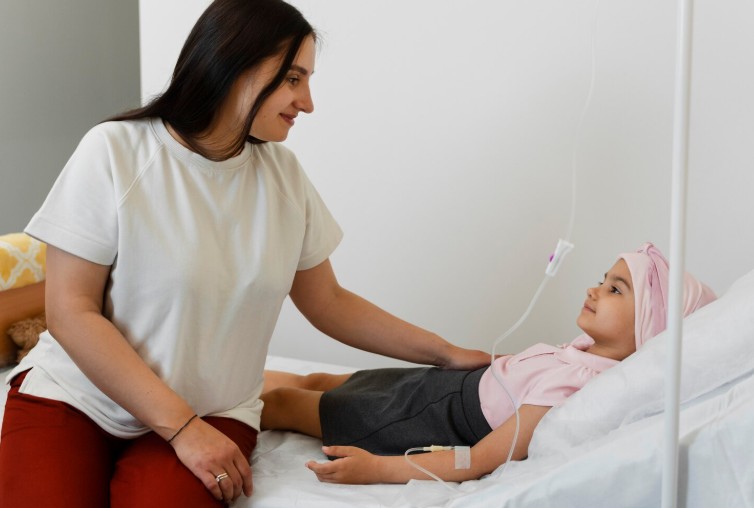
By Dr. Vikas Dua – Bone Marrow Transplant Specialist in Delhi
Bone Marrow Transplant (BMT), also known as Hematopoietic Stem Cell Transplantation (HSCT), is a life-saving treatment for various blood disorders, immune deficiencies, and cancers. Despite its increasing success rates and advancements, many patients and families have concerns, fears, and questions regarding the procedure.
This article addresses the most frequently asked questions about Bone Marrow Transplant to help patients and caregivers make informed decisions.
What is a Bone Marrow Transplant?
A Bone Marrow Transplant is a medical procedure in which damaged or diseased bone marrow is replaced with healthy stem cells. These stem cells can develop into red blood cells, white blood cells, and platelets — essential components for survival.
BMT is commonly used to treat:
-
Leukemia
-
Lymphoma
-
Multiple Myeloma
-
Thalassemia
-
Sickle Cell Disease
-
Aplastic Anemia
-
Certain genetic and immune disorders
Who Needs a Bone Marrow Transplant?
A transplant may be recommended when:
-
The bone marrow is unable to produce healthy blood cells
-
Cancer treatments have damaged marrow
-
A genetic disorder affects blood production
-
Standard treatments are ineffective
Conditions like severe Thalassemia, aggressive Leukemia, and Bone Marrow Failure Syndromes often require BMT.
What Are Stem Cells and Why Are They Important?
Stem cells are special cells capable of developing into different blood cells. In BMT, stem cells are infused into the patient’s bloodstream, where they migrate to the bone marrow and begin producing healthy cells.
Stem cells can be obtained from:
-
Bone marrow
-
Peripheral blood
-
Umbilical cord blood
What Types of Bone Marrow Transplant Exist?
1. Autologous Transplant
Uses the patient’s own stem cells. Common in certain cancers like lymphoma and myeloma.
2. Allogeneic Transplant
Uses stem cells from a donor. Required for genetic disorders, leukemia, and marrow failure.
3. Haploidentical Transplant
Uses a half-matched donor (usually a parent or sibling). A breakthrough option when a full match is unavailable.
How is a Donor Selected?
Donor compatibility is determined through HLA (Human Leukocyte Antigen) matching.
Possible donors include:
-
Siblings (best chance of full match)
-
Parents (half match)
-
Unrelated matched donors
-
Cord blood units
Advances in transplant techniques now allow successful transplants even with partial matches.
Is Bone Marrow Donation Painful or Dangerous?
Bone marrow donation is generally safe. Donors may experience:
-
Temporary soreness
-
Mild fatigue
-
Back discomfort
Serious complications are rare. Most donors recover fully within a few days.
What Happens During the Transplant Procedure?
Contrary to common belief, BMT is not a surgery.
Steps include:
-
Conditioning Therapy: Chemotherapy ± radiation to destroy diseased marrow
-
Stem Cell Infusion: Similar to a blood transfusion
-
Engraftment: Stem cells settle and start producing new blood cells
Engraftment usually occurs within 2–4 weeks.
How Long is Hospitalization Required?
Hospital stay varies based on:
-
Patient’s condition
-
Type of transplant
-
Complications
Typically, patients remain hospitalized for 3–6 weeks, followed by regular outpatient monitoring.
What Are the Risks of Bone Marrow Transplant?
While BMT is often curative, risks include:
-
Infections
-
Graft-versus-Host Disease (GVHD)
-
Bleeding
-
Organ complications
-
Delayed engraftment
With modern protocols and expert care, many complications are manageable.
What is Graft-versus-Host Disease (GVHD)?
GVHD occurs when donor cells attack the patient’s tissues. It may affect:
-
Skin
-
Liver
-
Gut
Severity ranges from mild to serious. Preventive medications significantly reduce risk.
What is the Success Rate of Bone Marrow Transplant?
Success depends on:
-
Underlying disease
-
Patient’s age
-
Donor match quality
-
Timing of transplant
For conditions like Thalassemia and certain leukemias, success rates can exceed 80–90% when performed at the right stage.
How Long Does Recovery Take?
Recovery is gradual:
-
Initial immune recovery: 3–6 months
-
Full recovery: 6–12 months or longer
Patients must follow precautions regarding hygiene, diet, and exposure to infections.
Can Bone Marrow Transplant Cure Diseases?
Yes. BMT can be curative for:
-
Thalassemia
-
Sickle Cell Disease
-
Aplastic Anemia
-
Many leukemias
-
Certain genetic disorders
Early evaluation improves outcomes.
Is Bone Marrow Transplant Only for Children?
No. Both adults and children may undergo BMT. However, pediatric transplants often yield excellent results, especially for genetic blood disorders.
What Lifestyle Changes Are Required After Transplant?
Patients should:
-
Maintain strict hygiene
-
Avoid crowded places initially
-
Follow dietary restrictions
-
Take medications regularly
-
Attend frequent follow-ups
Gradually, normal life can be resumed.
Is Bone Marrow Transplant Affordable in India?
India offers advanced transplant care at comparatively lower costs than many countries. Costs vary based on:
-
Transplant type
-
Donor source
-
Hospital stay
-
Complications
Financial counseling and support programs are often available.
Frequently Asked Questions (FAQs)
1. Is Bone Marrow Transplant a painful procedure for patients?
The stem cell infusion itself is painless. Discomfort may arise from chemotherapy side effects, which are medically managed.
2. How do I know if my child needs a Bone Marrow Transplant?
Conditions like Thalassemia Major, severe Aplastic Anemia, and certain Leukemias often require transplant evaluation by a specialist.
3. Can parents donate bone marrow to their child?
Yes. Haploidentical transplants allow successful procedures using half-matched parental donors.
4. What is the safest age for Bone Marrow Transplant?
Younger patients generally tolerate transplants better, but eligibility depends on overall health rather than age alone.
5. How long does immunity remain weak after transplant?
Immune recovery usually takes several months. Preventive care and monitoring are essential.
6. Can Bone Marrow Transplant fail?
Although uncommon with proper protocols, graft failure can occur. Early detection and intervention improve outcomes.
7. Is a 100% donor match mandatory?
Not always. Modern techniques enable successful transplants with partial matches.
8. Will my child lead a normal life after transplant?
In many cases, yes. Especially for curable disorders like Thalassemia, patients can enjoy a healthy, transfusion-free life.
9. Are there long-term side effects?
Some patients may experience hormonal, fertility, or organ-related effects, requiring long-term follow-up.
10. How should families prepare emotionally?
Education, counseling, and support from the transplant team play a crucial role in coping with stress.
Final Thoughts
Bone Marrow Transplant is one of the most powerful advancements in modern medicine, offering hope and cure for previously life-threatening diseases. While the journey may seem overwhelming, expert guidance, accurate information, and timely intervention significantly improve outcomes.
If you or your child has been advised a Bone Marrow Transplant, consult an experienced specialist.
Dr. Vikas Dua
Bone Marrow Transplant Specialist in Delhi
Pediatric Hemato-Oncologist & BMT Expert
Early consultation can make a life-changing difference.
