
Thalassemia is a genetic blood disorder that affects the body’s ability to produce healthy hemoglobin. Children born with severe forms of thalassemia often require lifelong blood transfusions and continuous medical care. However, with advances in medical science, bone marrow transplant (BMT) has emerged as a potentially curative treatment option.
Under the guidance of experts like Dr. Vikas Dua, many children with thalassemia can now achieve long-term freedom from transfusions and live a healthier life. If you are searching for the best BMT specialist in Gurgaon, understanding how bone marrow transplant works and when it is recommended can help you make an informed decision.
Understanding Thalassemia
Thalassemia is an inherited condition that reduces the body’s ability to produce normal hemoglobin, the protein responsible for carrying oxygen in red blood cells.
Children with severe forms such as thalassemia major often experience:
-
Severe anemia
-
Fatigue and weakness
-
Delayed growth
-
Enlarged spleen
-
Bone deformities
To manage the disease, patients usually require regular blood transfusions every 2–4 weeks, along with iron chelation therapy to prevent iron overload. While these treatments help manage symptoms, they do not cure the disease.
What is Bone Marrow Transplant?
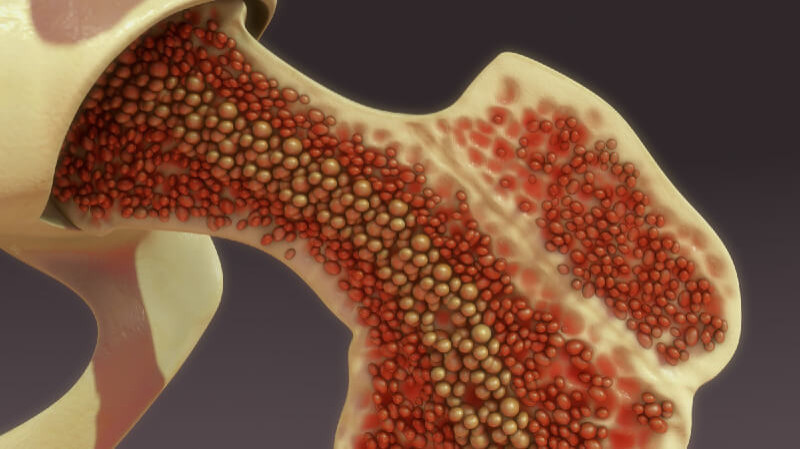
A bone marrow transplant is a medical procedure in which damaged or defective bone marrow is replaced with healthy stem cells. These stem cells then produce normal blood cells, effectively correcting the underlying problem.
For thalassemia patients, a successful transplant allows the body to produce healthy hemoglobin without the need for ongoing transfusions.
When performed by an experienced specialist such as Dr. Vikas Dua, the procedure offers a strong chance of long-term cure, especially in children.
Why Bone Marrow Transplant is Considered a Curative Treatment
Bone marrow transplant is currently the only established cure for thalassemia.
Here’s why it is considered a life-changing treatment:
1. Eliminates the Need for Lifelong Blood Transfusions
After a successful transplant, the patient’s body begins producing healthy red blood cells naturally.
2. Prevents Iron Overload Complications
Repeated blood transfusions often lead to iron accumulation in organs such as the heart and liver. BMT eliminates the need for frequent transfusions.
3. Improves Quality of Life
Children who undergo successful BMT can live a normal life without constant hospital visits and treatments.
4. Long-Term Cure
Unlike supportive treatments, BMT addresses the root cause of thalassemia by replacing faulty bone marrow with healthy stem cells.
Who is the Ideal Candidate for Bone Marrow Transplant?
Not all thalassemia patients require or qualify for immediate transplant. The ideal candidates usually include:
-
Children diagnosed with thalassemia major
-
Patients who have a matched sibling donor
-
Patients with good overall health and minimal organ damage
-
Younger patients, as outcomes tend to be better
An experienced pediatric hemato-oncologist such as Dr. Vikas Dua evaluates multiple factors before recommending a transplant.
The Bone Marrow Transplant Process
Understanding the steps involved in the transplant process can help families prepare better.
1. Donor Matching
Doctors identify a suitable donor whose human leukocyte antigen (HLA) matches the patient. This donor may be a sibling or an unrelated donor from registries.
2. Pre-Transplant Evaluation
The patient undergoes detailed medical tests to assess organ health and overall readiness for transplant.
3. Conditioning Therapy
Before transplant, chemotherapy is given to eliminate the defective bone marrow and prepare the body to accept new stem cells.
4. Stem Cell Infusion
Healthy stem cells from the donor are infused into the patient’s bloodstream.
5. Engraftment and Recovery
The new stem cells start producing healthy blood cells. This stage requires careful monitoring to ensure successful engraftment.
Success Rates of Bone Marrow Transplant for Thalassemia
With advancements in transplant techniques, success rates have improved significantly. When performed in specialized centers by experienced doctors, outcomes can be highly encouraging.
Children undergoing transplant at an early stage, especially with a matched sibling donor, often have excellent survival and cure rates.
Choosing the best BMT specialist in Gurgaon ensures access to advanced transplant technology, experienced medical teams, and comprehensive post-transplant care.
Benefits of Early Bone Marrow Transplant
Early intervention can significantly improve outcomes.
Benefits include:
-
Lower risk of organ damage
-
Higher transplant success rates
-
Faster recovery
-
Reduced long-term complications
Families are encouraged to consult experienced specialists early to explore curative treatment options.
Life After Bone Marrow Transplant
After successful transplantation, patients gradually return to normal activities.
Post-transplant care includes:
-
Regular follow-up visits
-
Monitoring for infections
-
Balanced nutrition
-
Gradual return to school and physical activities
Over time, most children can lead a healthy and active life free from transfusion dependence.
Choosing the Right BMT Specialist
Bone marrow transplant is a highly specialized procedure that requires expertise and advanced medical infrastructure.
Families searching for the best BMT specialist in Gurgaon often consult Dr. Vikas Dua, a renowned pediatric hemato-oncologist with extensive experience in bone marrow transplant for children with blood disorders.
With specialized knowledge, advanced treatment protocols, and compassionate care, expert guidance plays a crucial role in ensuring the best outcomes for young patients.
FAQs
1. Is bone marrow transplant a permanent cure for thalassemia?
Yes. A successful bone marrow transplant can permanently cure thalassemia by replacing defective bone marrow with healthy stem cells.
2. At what age is bone marrow transplant recommended for thalassemia?
The procedure is usually recommended during childhood, as younger patients tend to have better outcomes.
3. How long does recovery take after bone marrow transplant?
Initial recovery may take several weeks, while full immune system recovery can take several months.
4. Is it necessary to have a sibling donor?
A matched sibling donor is ideal, but unrelated donors or alternative donor sources may also be considered.
5. Are there risks associated with bone marrow transplant?
Like any major medical procedure, BMT carries risks, but with expert care and advanced medical facilities, these risks are carefully managed.
