
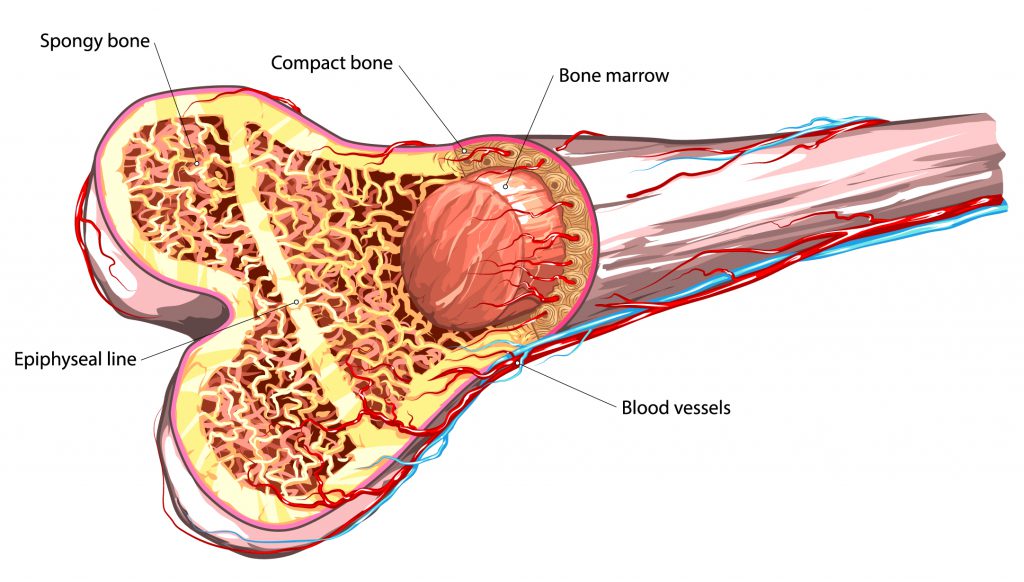
Bone marrow transplant (BMT) has transformed the treatment landscape for many life-threatening blood disorders in children. What once required lifelong treatment can now potentially be cured with advanced transplant procedures. However, many parents are unsure about when a bone marrow transplant is necessary for their child and how the procedure works.
Understanding the indications for bone marrow transplant and consulting the best BMT specialist in Delhi NCR can help families make informed decisions about their child’s health.
Experts such as Dr. Vikas Dua specialize in diagnosing and treating complex blood disorders in children using advanced bone marrow transplant techniques.
What is Bone Marrow Transplant?
Bone marrow is the soft tissue inside bones responsible for producing blood cells, including red blood cells, white blood cells, and platelets. When bone marrow becomes diseased or fails to function properly, it cannot produce healthy blood cells.
A bone marrow transplant replaces damaged bone marrow with healthy stem cells from a donor. These stem cells then begin producing normal blood cells, helping restore the body’s ability to function properly.
Bone marrow transplant is often recommended for children suffering from severe blood disorders, immune deficiencies, or certain cancers.
When Do Children Need a Bone Marrow Transplant?
Not every blood disorder requires a bone marrow transplant. Doctors typically recommend the procedure when other treatments are not effective or when the condition can be permanently cured with transplant.
Here are some of the most common situations where children may need a bone marrow transplant.
1. Severe Genetic Blood Disorders
Several inherited blood disorders affect children from birth and can severely impact their quality of life.
One such condition is Thalassemia, where the body cannot produce enough healthy hemoglobin. Children with severe thalassemia often require regular blood transfusions throughout their lives.
Bone marrow transplant is currently the only curative treatment for severe thalassemia. After a successful transplant, the child can produce healthy blood cells naturally.
Another inherited condition is Sickle Cell Disease, where red blood cells become abnormally shaped and block blood flow. In severe cases, bone marrow transplant can provide a permanent cure.
2. Blood Cancers
Bone marrow transplant is widely used to treat certain childhood cancers, especially Leukemia.
Leukemia affects the bone marrow and leads to the production of abnormal white blood cells that interfere with normal blood cell formation.
Doctors may recommend bone marrow transplant if:
-
Leukemia does not respond to chemotherapy
-
The cancer returns after treatment
-
The child has a high-risk type of leukemia
By replacing diseased bone marrow with healthy stem cells, BMT can help restore normal blood cell production.
3. Bone Marrow Failure Disorders
In some children, the bone marrow stops producing enough blood cells, leading to severe health complications.
A common example is Aplastic Anemia, a condition where the bone marrow fails to produce adequate red cells, white cells, and platelets.
Children with aplastic anemia may experience:
-
Severe fatigue
-
Frequent infections
-
Uncontrolled bleeding
In severe cases, bone marrow transplant is often the most effective treatment option.
4. Primary Immunodeficiency Disorders
Some children are born with genetic conditions that weaken their immune system.
These conditions are known as primary immunodeficiency disorders and include diseases such as:
-
Severe Combined Immunodeficiency (SCID)
-
Wiskott-Aldrich Syndrome
-
Chronic Granulomatous Disease
Children with these disorders are highly vulnerable to infections. Bone marrow transplant can rebuild the immune system by replacing defective stem cells with healthy ones.
5. Certain Metabolic and Rare Genetic Disorders
Bone marrow transplant is also used to treat some rare metabolic and genetic diseases in children. These conditions affect the body’s ability to process certain substances, leading to progressive organ damage.
In many of these cases, early transplant can slow disease progression and improve long-term outcomes.
Signs Your Child May Need Evaluation by a BMT Specialist
Parents should consult a specialist if their child experiences symptoms such as:
-
Persistent anemia
-
Frequent infections
-
Easy bruising or bleeding
-
Delayed growth and development
-
Need for frequent blood transfusions
Early consultation with the best BMT specialist in Delhi NCR can help identify the underlying cause and determine whether bone marrow transplant is the right treatment option.
The Bone Marrow Transplant Process
The transplant process involves several important steps.
1. Donor Matching
Doctors identify a compatible donor whose human leukocyte antigen (HLA) closely matches the patient. A sibling donor is often ideal, but unrelated donors or partially matched family donors may also be considered.
2. Pre-Transplant Evaluation
Before the transplant, the child undergoes a detailed medical evaluation to assess overall health and readiness for the procedure.
3. Conditioning Therapy
The patient receives chemotherapy to eliminate diseased bone marrow and prepare the body for new stem cells.
4. Stem Cell Infusion
Healthy stem cells from the donor are infused into the child’s bloodstream.
5. Recovery and Monitoring
The new stem cells gradually begin producing healthy blood cells. Doctors closely monitor the child to ensure successful engraftment.
Importance of Early Bone Marrow Transplant
Early intervention significantly improves transplant outcomes.
Benefits of early transplant include:
-
Higher success rates
-
Reduced risk of organ damage
-
Faster recovery
-
Lower complication rates
Consulting the best BMT specialist in Delhi NCR early allows families to explore treatment options before the disease progresses.
Life After Bone Marrow Transplant
After successful transplantation, children gradually return to normal activities.
Post-transplant care typically includes:
-
Regular follow-up visits
-
Monitoring for infections
-
Nutritional support
-
Gradual return to school and daily routines
With proper care and monitoring, many children go on to live healthy and active lives after bone marrow transplant.
Conclusion
Bone marrow transplant has become a life-saving treatment for many serious blood disorders and cancers affecting children. Conditions such as thalassemia, sickle cell disease, leukemia, and immune deficiencies can now be effectively treated through advanced transplant procedures.
Parents who notice persistent symptoms in their child should seek medical evaluation early. Consulting the best BMT specialist in Delhi NCR ensures expert diagnosis, advanced treatment options, and the best possible outcomes for young patients.
FAQs
1. At what age can children undergo bone marrow transplant?
Children of various ages can undergo bone marrow transplant, but outcomes are often better when the procedure is performed early.
2. Is bone marrow transplant safe for children?
When performed by experienced specialists in advanced medical centers, bone marrow transplant is considered a safe and effective treatment.
3. How long does recovery take after a bone marrow transplant?
Initial recovery may take several weeks, while full immune system recovery can take several months.
4. Does every child with thalassemia require a bone marrow transplant?
Not all children require immediate transplant. Doctors evaluate disease severity, donor availability, and overall health before recommending the procedure.
5. How can parents find the best BMT specialist in Delhi NCR?
Parents should look for specialists with extensive experience in pediatric bone marrow transplant, advanced hospital facilities, and strong transplant success rates.
